
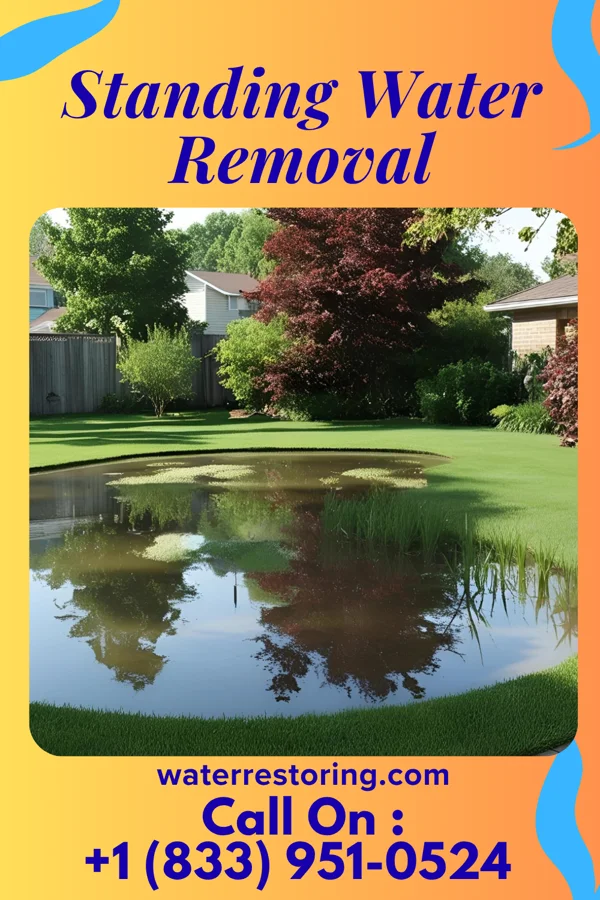
Why Hobble Creek Sees Standing Water Often
The pattern in Hobble Creek is consistent. Hobble Creek, Utah, is prone to flooding due to its proximity to the Hobble Creek watershed, which can lead to water intrusion in homes and businesses during heavy rainfall or snowmelt. The area's semi-arid climate with occasional intense storms increases the risk of sudden water damage from burst pipes, leaking roofs, or groundwater seepage. drives most of the emergency restoration calls we get. A close second is In addition to natural flooding, Hobble Creek's suburban neighborhoods often experience water damage from inadequate drainage systems, especially in low-lying areas near Mapleton and Springville. Poorly maintained gutters and downspouts can also contribute to localized water accumulation..
Hobble Creek's climate features hot summers and cold winters, with significant seasonal precipitation. This variability increases the likelihood of both flash flooding in spring and water damage from frozen pipes during winter, requiring rapid response and specialized drying techniques.
Hobble Creek's climate features hot summers and cold winters, with significant seasonal precipitation. This variability increases the likelihood of both flash flooding in spring and water damage from frozen pipes during winter, requiring rapid response and specialized drying techniques. The dominant local driver is Hobble Creek, Utah, is prone to flooding due to its proximity to the Hobble Creek watershed, which can lead to water intrusion in homes and businesses during heavy rainfall or snowmelt. The area's semi-arid climate with occasional intense storms increases the risk of sudden water damage from burst pipes, leaking roofs, or groundwater seepage., with In addition to natural flooding, Hobble Creek's suburban neighborhoods often experience water damage from inadequate drainage systems, especially in low-lying areas near Mapleton and Springville. Poorly maintained gutters and downspouts can also contribute to localized water accumulation. showing up as the next most common cause. Damage builds in stages. Spread. Absorption. Microbial growth. Structural compromise. Every stage you pass through adds to the final bill.